What Are Sliding Patio Doors?
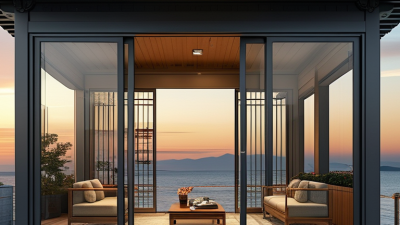
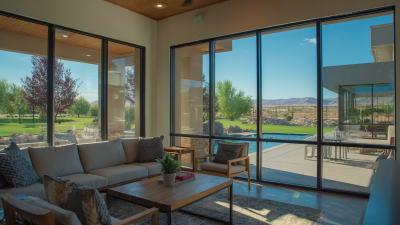
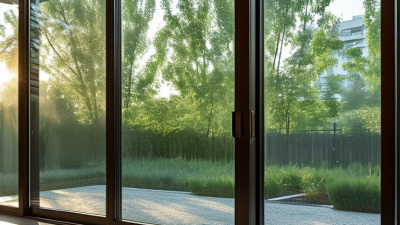
Sliding patio doors are large glazed doors whose panels move horizontally along a track. They connect indoor rooms with patios, decks, or gardens while allowing daylight and views into the home. Most designs use two or more panels, with at least one sliding past another. Simple in concept. Their performance depends on details such as frame material, glass, rollers, seals, and installation.
Those details matter because a broad glass opening can affect comfort and energy use. The U.S. Department of Energy’s Energy Saver guidance estimates that windows account for 25–30% of residential heating and cooling energy use. That estimate is not specific to patio doors, so it should not be treated as a door-performance prediction. Still, it points to a real consideration. The National Fenestration Rating Council (NFRC) provides product ratings, including U-factor and solar heat gain coefficient, to help compare energy performance. Ratings do not tell the whole story, either. A poorly aligned track or worn weatherstripping can undermine an otherwise suitable door.
Understanding how sliding patio doors work makes it easier to compare styles, materials, security features, and maintenance needs. A smooth glide matters. So does a tight seal on a windy evening. This guide explains the basic design and the practical choices homeowners should consider before selecting a system.
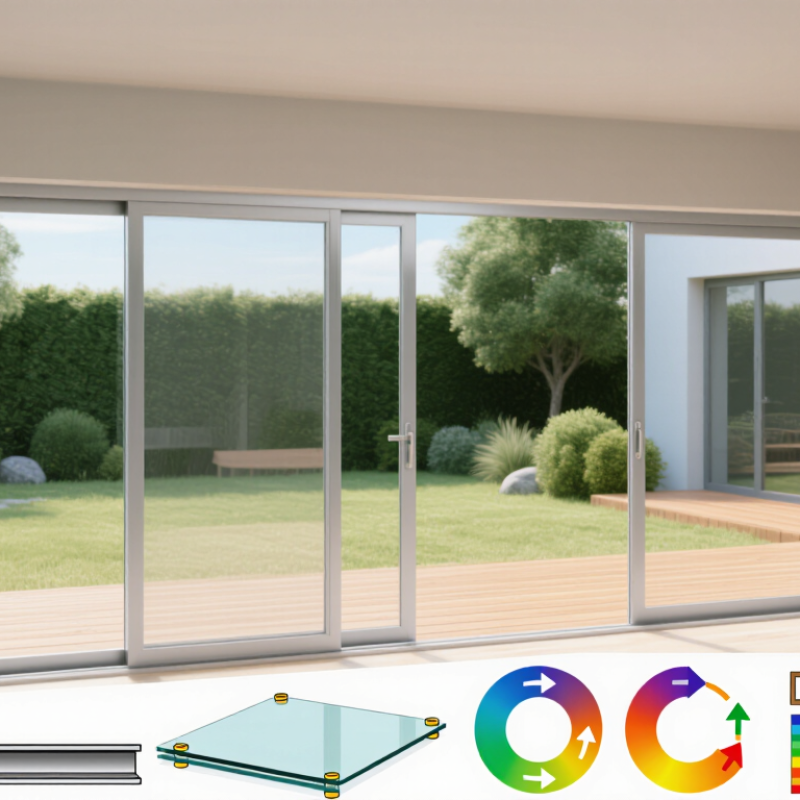
Definition and Key Characteristics of Sliding Patio Doors
Sliding patio doors are glazed doors that open by moving horizontally along tracks. Unlike hinged doors, they do not swing into a room or onto a deck. Most designs use two or more panels, with at least one movable panel and one fixed panel. They glide sideways.
Their defining features include broad glass panels, a track system, rollers, and a frame. Glass brings daylight into the room and keeps outdoor views visible, while the frame supports the panels. Common frame materials include aluminum, vinyl, wood, and fiberglass. Each has different maintenance needs and insulation performance.
The rollers carry the moving panel, so dirt or damage in the track can make operation rough. Less floor space is needed. Still, a wide glass area may feel less private, and the track can collect grit. That detail is easy to overlook.
Tips:Slide the door open and closed before buying, if possible. Check that it moves smoothly and that the lock engages securely. Measure twice. For replacement projects, compare the opening dimensions with the door’s actual frame size; they may not match. Keep tracks clear with regular cleaning, and follow the care instructions for the frame and glass.
Main Components and How They Work
A sliding patio door usually has one fixed panel and one operating panel. The moving panel travels horizontally on rollers fitted inside a lower track. Turning the handle releases the lock; a gentle push then moves the panel. Smooth motion depends on clean tracks, aligned rollers, and a frame that remains square. It sounds simple. In practice, a small pebble or worn roller can make the door drag.
The main parts work together to limit drafts and support the glass. Weatherstripping compresses along the panel edges when the door closes, while the meeting stiles overlap or interlock at the center. The lock pulls the panels snug, but it cannot correct poor alignment. Frames may be made from different materials, and insulated glass units use sealed panes to slow heat transfer. The U.S. Department of Energy’s Energy Saver guidance estimates that heat gain and loss through windows account for about 25%–30% of residential heating and cooling energy use. That figure concerns windows, not patio doors specifically, but it shows why large glazed openings deserve attention.
When comparing products, the National Fenestration Rating Council label reports values such as U-factor and solar heat gain coefficient. These describe thermal performance, not how easily a panel rolls or locks. Check both. A door may have strong glass ratings and still feel awkward if its track is poorly maintained. That detail is easy to miss.
Common Types and Panel Configurations
Sliding patio doors are glazed panels that travel sideways along a track, rather than swinging into a room. Panel layout affects the opening width, daylight, and how people move through it. A common two-panel unit pairs one fixed panel with one sliding panel. It suits many openings, but only half the frame opens. A three-panel design may have one fixed panel and two operable panels, or two fixed panels and one operable panel. Four-panel, center-opening layouts usually place the moving panels in the middle. Details vary by product.
The U.S. Department of Energy’s Energy Saver guidance estimates that windows account for 25–30% of residential heating and cooling energy use. That figure is not specific to patio doors, but it highlights why a large glazed opening deserves careful comparison. The National Fenestration Rating Council’s Certified Products Directory lists tested U-factor and solar heat gain coefficient (SHGC) values. Compare those ratings for the complete door unit, not just its glass. More panels can create a wider opening, but they also mean more frame and track sections. Tracks collect grit. That changes the feel. Check how the panels operate and whether the opening suits furniture placement; a wider doorway is not always more useful.
Materials, Glazing, and Frame Options
Sliding patio doors use broad glass panels that move along tracks, so frame material affects weight, insulation, and upkeep. Vinyl frames resist moisture and need little maintenance, though larger panels may require careful support. Aluminum is slim and strong, allowing wider glass views. Without a thermal break, however, metal frames can transfer heat more readily. Fiberglass and timber offer other trade-offs: fiberglass is stable across temperature changes, while timber brings warmth but needs periodic care. No material solves every trade-off.
Glazing matters just as much. Double-pane glass is common; low-emissivity coatings can reduce heat transfer, and laminated options may help limit noise. Local climate, orientation, and indoor comfort needs should guide the choice. Ask about tested energy ratings rather than relying on glass thickness alone. Frames also vary in track design, drainage, seals, and thermal breaks. These details affect smooth operation and resistance to drafts or moisture. A showroom sample can mislead: installation quality and the condition of the opening matter too. Check how the door will be flashed, sealed, and adjusted before choosing a finish. Details matter. A beautiful frame that sticks after settling is no small frustration.
Sliding Patio Door Frames: Thermal Conductivity
Approximate thermal conductivity of common frame materials at room temperature. Lower values indicate less heat conduction through the material itself.
Values are approximate and measured in watts per meter-kelvin (W/m·K); actual values vary by material composition. A complete door’s energy performance also depends on glazing and construction. Double- or triple-pane glass, low-emissivity coatings, insulated gas fills, thermal breaks, and effective seals can help reduce heat transfer.
Benefits, Limitations, and Typical Applications
Sliding patio doors use one or more glazed panels that slide horizontally along a track. Unlike hinged doors, they do not swing into a room or onto a patio. That can preserve floor space and make a narrow dining area easier to furnish. Wide glass panels also bring daylight indoors and create a clear view of the garden.
Their benefits depend on careful installation. A smooth track makes daily opening easier, while well-fitted weather seals help limit drafts. The U.S. Department of Energy reports that heat gain and loss through windows account for about 25–30% of residential heating and cooling energy use. That figure is not specific to patio doors, but it highlights why glazing performance matters. Check the door’s NFRC-rated U-factor and solar heat gain coefficient for your climate. Good glass helps. It does not fix a poor frame or leaky installation.
There are limitations. The panel needs an unobstructed track, and dirt, grit, or worn rollers can make it harder to slide. Most standard models open only part of the overall width, so they may not suit someone seeking a fully open wall. Large glass areas can also reduce privacy and expose interiors to strong afternoon sun. Typical applications include patios, balconies, garden rooms, and compact homes where swing clearance is limited. Measure the opening, furniture layout, and outdoor access before choosing; small oversights can become daily annoyances.