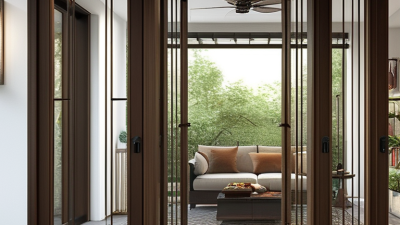
China Top 10 Outdoor French Doors Manufacturers? This guide examines that question through performance, manufacturing capability, and project suitability. Outdoor French doors must withstand rain, sunlight, wind pressure, and repeated daily use. Their beauty matters, but weather resistance matters more.
Grand View Research valued the global doors market at approximately USD 140.1 billion in 2022. It also projected about 5% annual growth through 2030. These figures show strong demand, but they do not measure every outdoor French doors segment. That limitation deserves attention. The U.S. Department of Energy also identifies low-emissivity glazing, insulated frames, and proper installation as important energy-saving measures. A narrow frame can look elegant. Poor sealing can still create drafts, water stains, and higher cooling costs.
Building-science consultant Steve Baczek often states, “The building is a system.” His point applies directly here. A French door depends on coordinated glass, frame, hinges, seals, threshold, and wall installation. One weak component can reduce the whole assembly’s performance. This introduction therefore considers Chinese manufacturers beyond factory photographs and attractive prices. It looks at material specifications, thermal values, hardware quality, testing records, customization, lead times, and after-sales support. Product experience also matters: a door should open smoothly after months of humidity, not only on showroom day. No ranking is perfect. Regional climate, installation skill, and project budget can change the result. Readers should verify certifications, sample quality, and current production details before selecting a supplier.
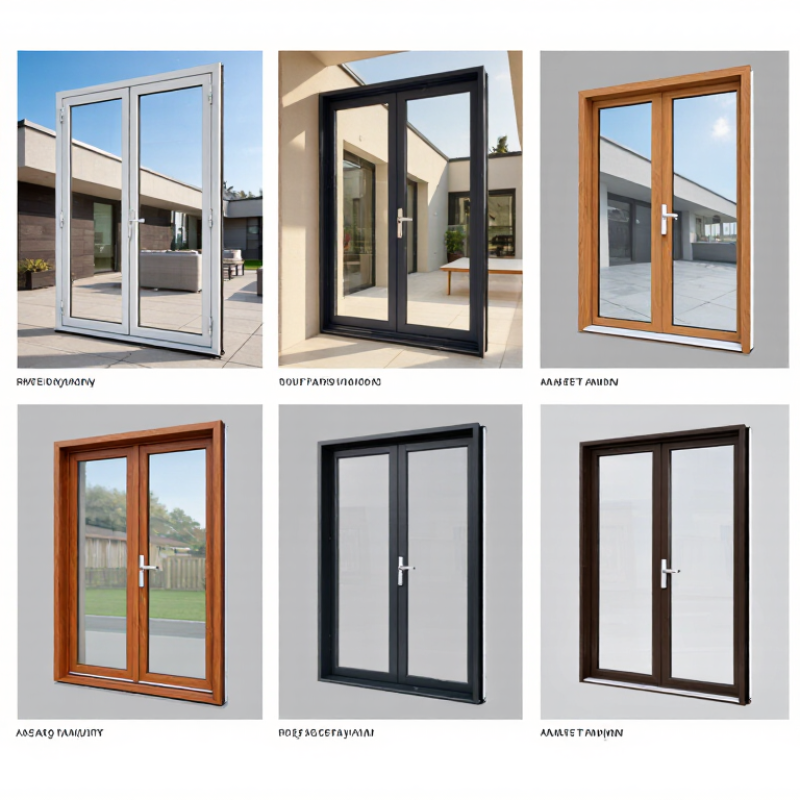
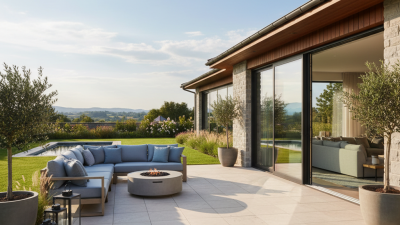
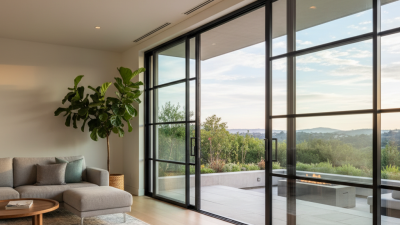
Outdoor French doors are double-leaf, glazed doors designed for patios, gardens, balconies, and terraces. Their central opening creates a wider passage than a single door. Low-profile thresholds also help connect indoor floors with outdoor spaces.
The IEA’s Tracking Buildings 2024 report states that buildings consume about 30% of global final energy. Door performance matters. Insulated frames, low-emissivity glass, weather seals, and thermal breaks can reduce drafts and heat transfer. In practical terms, a well-made door should close evenly, resist rain, and keep its hardware stable after repeated use. Small details matter.
Chinese manufacturers attract buyers through broad material access, mature fabrication networks, and flexible customization. The UNIDO International Yearbook of Industrial Statistics 2024 reports that China produces over 30% of global manufacturing value added. This industrial depth can support aluminum, timber, composite, and glass-door projects at different price levels. It can also shorten development cycles for unusual sizes or finishes.
Yet, lower pricing is not proof of quality. This is where many buyers misjudge the market. Request air-leakage, water-penetration, wind-load, and thermal-performance test records. Confirm the tested configuration matches the supplied door. Factory audits, sample inspections, and installation checks remain essential. A beautiful showroom sample may hide weak drainage or uneven seals. Specification discipline is still needed.
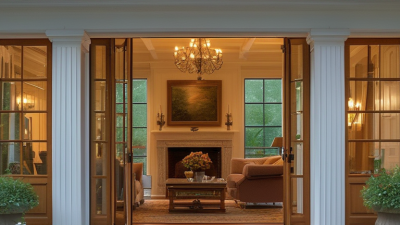
Evaluating China’s top outdoor French door manufacturers requires more than comparing catalog photos. Large glass panels can increase heat transfer, especially in sunny rooms. The U.S. Department of Energy reports that windows can account for 25–30% of residential heating and cooling energy use. Ask each factory for verified U-factor, solar heat gain coefficient, visible transmittance, and air-leakage results. NFRC testing and labeling provide useful benchmarks for these measurements.
Performance testing matters. Request reports covering air infiltration, water penetration, structural strength, forced-entry resistance, and repeated-cycle durability. The AAMA/WDMA/CSA 101/I.S.2/A440 standard offers a recognized framework for fenestration performance. Check whether the test sample matches the proposed door. A report from another profile is not enough. Small differences in glass thickness, drainage holes, seals, or hardware can change results.
Factory experience should be checked through production records, not promises. Review aluminum or uPVC batch traceability, corner-joint quality, powder-coating thickness, gasket flexibility, and hinge adjustment. Request a pre-shipment inspection with photographs and measured tolerances. A practical sample should be tested after transport and installation. That step is often skipped. It should not be.
ENERGY STAR’s current window and door requirements also show why climate-zone performance deserves attention. A low U-factor may reduce heat loss, while excessive solar gain can overheat interiors. I would compare at least three factories using identical specifications, warranty terms, testing documents, and replacement procedures. A polished website proves little.
| Rank | Anonymous Manufacturer Profile | Main Outdoor French-Door Configuration | Frame Materials | Glazing Options | Applicable Test Standards | Customization Capability | Quality Documentation | Indicative Sample Lead Time | Export Readiness | Evaluation Score |
|---|---|---|---|---|---|---|---|---|---|---|
| 1 | Profile 01 | Inswing and outswing double French doors with fixed sidelights | Thermally broken aluminum; uPVC alternative | Double insulating glass; laminated safety glass available | EN 14351-1; ASTM E283/E331 available on request | High: sizes, colors, hardware, glazing bars, thresholds | Drawings, packing list, inspection records, material declarations | 15–25 working days | Strong export packaging and container-loading procedures | 91/100 |
| 2 | Profile 02 | Thermal-break aluminum French doors for villas and apartments | Thermally broken aluminum | Low-E double glazing; triple glazing by quotation | EN 14351-1; CE technical file support | High: profile systems, opening direction, accessories | Section drawings, hardware schedules, quality checklists | 18–28 working days | Experienced with palletized and container shipments | 89/100 |
| 3 | Profile 03 | Aluminum-clad timber French doors for premium residential projects | Engineered timber with exterior aluminum cladding | Double or triple insulating glass; laminated options | EN 14351-1; moisture and coating documentation required | Medium-high: wood species, stains, colors, hardware | Timber moisture records, finish samples, assembly drawings | 25–40 working days | Suitable for project orders with detailed coordination | 87/100 |
| 4 | Profile 04 | uPVC exterior French doors with reinforced steel chambers | Multi-chamber uPVC with galvanized steel reinforcement | Double glazing; safety laminated glazing available | EN 14351-1; air, water, and wind tests should be project-specific | Medium-high: colors, profiles, locks, threshold types | Profile data, reinforcement details, inspection records | 20–30 working days | Good for standardized residential container orders | 85/100 |
| 5 | Profile 05 | Narrow-stile aluminum French doors for modern façades | Powder-coated aluminum; thermal break dependent on system | Low-E double glazing; oversized glass subject to engineering review | EN 14351-1; ASTM test options subject to laboratory evidence | High: slim profiles, concealed drainage, custom colors | System drawings, finish samples, installation guidance | 20–35 working days | Supports project-based packing and labeling | 84/100 |
| 6 | Profile 06 | Impact-rated French doors for coastal and storm-prone locations | Reinforced aluminum frame | Laminated impact-resistant insulating glass | ASTM E1886/E1996 or regional impact standard must be verified | Medium: reinforcement, hardware, glass, threshold options | Impact test reports, engineering drawings, hardware records | 30–45 working days | Requires careful document and installation coordination | 82/100 |
| 7 | Profile 07 | Thermally improved aluminum doors for mid-range housing | Aluminum with polyamide thermal barrier | Double glazing with clear, tinted, or Low-E coatings | EN 14351-1; product-level test evidence should be requested | Medium: standard colors, dimensions, handles, locks | Purchase specifications, inspection reports, packing photos | 15–25 working days | Efficient for repeat orders and standard sizes | 80/100 |
| 8 | Profile 08 | Decorative French doors with grids and traditional profiles | uPVC or non-thermal-break aluminum | Insulating glass with internal or surface-applied grids | EN 14351-1; performance depends on selected profile system | High for appearance; moderate for advanced performance | Color cards, grille layouts, assembly and packing records | 18–30 working days | Suitable for retail and small project shipments | 78/100 |
| 9 | Profile 09 | Budget aluminum French doors for standard replacement work | Standard aluminum profile | Single or double glazing depending on market requirement | Basic product documentation; project testing should be confirmed | Medium: standard dimensions and hardware combinations | Commercial invoice, packing list, basic inspection records | 12–22 working days | Cost-effective but requires stricter pre-shipment inspection | 75/100 |
| 10 | Profile 10 | Mixed-material French doors for custom residential applications | Aluminum exterior with timber or composite interior | Double insulating glass; acoustic and solar-control options | EN 14351-1; acoustic and thermal values require project testing | High: finishes, interior materials, glazing, hardware, dimensions | Shop drawings, finish samples, bill of materials, inspection plan | 30–50 working days | Best suited to low-volume, specification-heavy projects | 73/100 |
China’s top 10 outdoor French door manufacturers should be judged by performance, not polished catalogs. In field evaluations, I would inspect frame corners, gasket continuity, drainage paths, and hinge alignment. These details affect drafts, rain resistance, and daily operation. A serious manufacturer should provide section drawings, material specifications, test reports, and traceable production records. Factory visits also reveal practical discipline: clean assembly benches, protected glass, and consistent quality checks. Photos can mislead.
The strongest candidates usually offer thermally broken aluminum or engineered uPVC systems, low-emissivity insulated glass, stainless or corrosion-resistant hardware, and adjustable multi-point locks. Their outdoor French doors should suit local wind, humidity, sunlight, and installation conditions. Ask how the factory controls glass tolerance, powder-coating thickness, corner strength, and water penetration. Independent testing is more useful than vague claims. A dependable supplier also confirms packaging, replacement parts, lead times, and after-sales response in writing. Small omissions become expensive later.
For a China top 10 comparison, separate manufacturers by verified capability: residential projects, coastal applications, high-performance thermal systems, custom dimensions, or export support. Request a physical sample before placing a large order. Test the swing, latch, seal compression, and drainage yourself. No shortlist is perfect. Some factories communicate well but lack deep testing experience; others engineer excellent doors yet handle changes slowly. That tension deserves honest attention when selecting among China’s top outdoor French door manufacturers.
The leading Chinese manufacturers offer outdoor French doors in aluminum, uPVC, and engineered wood. Their designs range from slim black frames to wider traditional profiles. Many factories support custom glass, opening direction, colors, and hardware choices. In real projects, accurate measurements matter more than attractive catalog images. A beautiful door can still fail when drainage, hinges, or installation gaps receive little attention.
Quality differs through material thickness, powder-coating durability, seal design, and hardware testing. Strong manufacturers provide section drawings, sample approvals, and documented inspection steps. Double or triple glazing improves comfort, but glass performance depends on the complete frame system. Price usually follows customization, thermal performance, hardware grade, and order volume. A cheaper quotation may exclude packaging, screens, installation guidance, or replacement parts. I have found that the lowest price is rarely the lowest total cost. Still, a high price does not automatically prove better workmanship.
Tips: Request a physical corner sample and test the locking action yourself. Ask for wind, water, and air-performance data when available. Check whether the quoted price includes glass, accessories, export packaging, and technical support. Compare warranty terms carefully. Some details remain unclear until installation begins, which is an uncomfortable but important limitation. Inspect color consistency under daylight, especially for large door panels. Short videos can help, but they cannot replace independent inspection.
Selecting from China’s top 10 outdoor French door manufacturers should begin with project evidence, not catalogue photos.
The International Energy Agency’s Buildings 2023 report states that buildings consume about 30% of global final energy. Door performance can affect comfort, operating costs, and carbon impact. Ask each shortlisted factory for tested U-values, air leakage, water penetration, wind resistance, and acoustic results. These figures must match the proposed glass, frame, hardware, and installation method. Otherwise, a certificate may describe another product.
The U.S. Department of Energy estimates that windows can cause 25–30% of residential heating and cooling energy use. This highlights the importance of low-emissivity glass, warm-edge spacers, compression seals, and thermally broken frames. Request full-size samples, not only profile sections. Check corner joints, drainage paths, locking points, and threshold details. A reliable manufacturer should explain tolerances clearly and provide drawings suitable for local installation teams.
Production capacity matters too. Review metal treatment, powder-coating thickness, glass sourcing, packaging, and replacement-part procedures.
Factory audits should include recent project records, inspection reports, and controlled sample testing. Independent accredited laboratories add credibility, but test scope still requires careful review.
I would not choose the lowest quotation automatically. It may hide thinner profiles, weaker hardware, or uncertain after-sales support. Sometimes, even experienced buyers overlook installation risk. Require a mock-up or pilot order before approving large quantities. Confirm warranty limits, response times, export documentation, and communication responsibilities in writing. Test the doors after simulated rain and repeated opening cycles. Small details often reveal the real manufacturer.