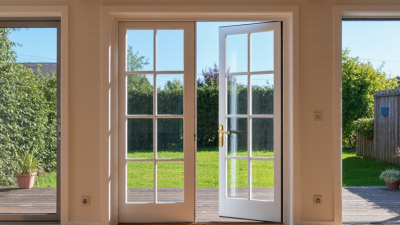
Choosing fiberglass patio doors is not simply a matter of selecting the prettiest frame. It involves weather exposure, glass performance, installation quality, security, and long-term maintenance. The U.S. Department of Energy reports that windows account for about 25%–30% of residential heating and cooling energy use. Patio doors can become a weak point when their seals, glass, or frames perform poorly. Small details matter.
Steve Baczek, an architect and building-science educator, often states, “The window is a system, not a product.” That principle applies directly to fiberglass patio doors. A strong frame cannot compensate for poor flashing. Efficient glass cannot fix a badly adjusted roller. The door must work as one assembly. ENERGY STAR and National Fenestration Rating Council guidance also emphasizes U-factor, solar heat gain coefficient, air leakage, and certified performance. These numbers deserve attention, not blind trust.
This guide explores seven practical checks before purchasing. You will compare frame strength, thermal efficiency, glazing options, hardware, threshold design, maintenance needs, and installation support. Look closely at the sill. Imagine rainwater moving across it. Ask how the rollers will feel after years of daily use. Some recommendations may seem obvious, yet homeowners still overlook them. A beautiful door can disappoint.
Regional climate changes the decision. A coastal home needs corrosion resistance. A cold region needs better insulation. A sunny room may require lower solar heat gain. Product labels help, but real installation experience matters more than glossy claims. That is the part many buying guides understate.
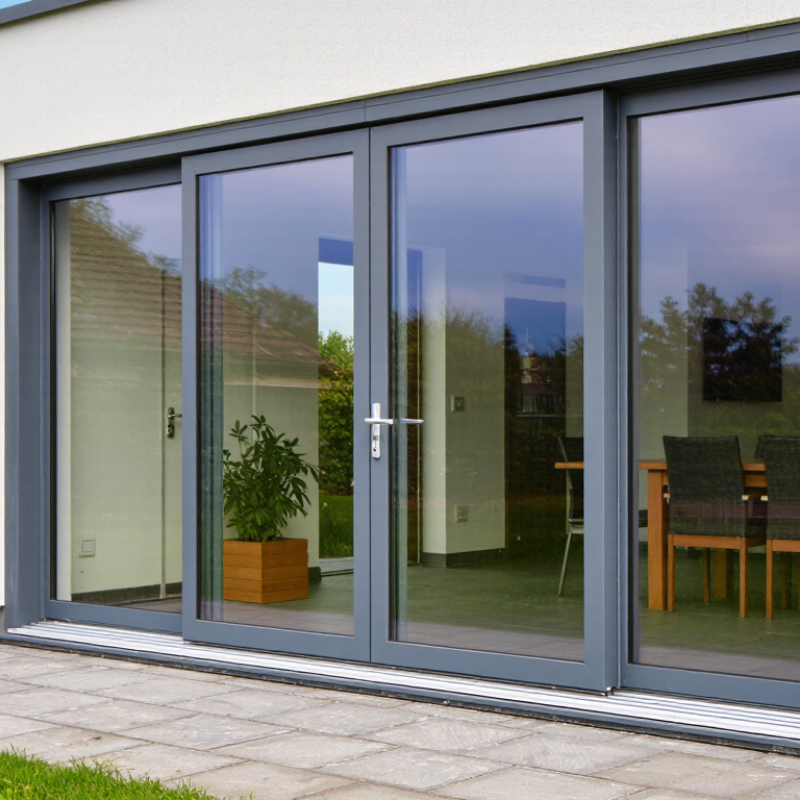
Before choosing fiberglass patio doors, define how the opening must work every day. Measure the rough opening, finished floor, wall depth, and nearby furniture. Record width at the top, middle, and bottom. Walls are not always perfectly square.
Consider traffic patterns, too. A sliding door saves interior space, while a hinged door needs a clear swing area. Note where people carry food, move furniture, or place outdoor equipment. A beautiful door can become frustrating if its handle meets a cabinet or blocks a walkway.
Tip: Mark the proposed door area with painter’s tape. Walk through it several times. This simple test reveals awkward clearances better than a floor plan alone. Measure the threshold height carefully, especially if children, older adults, or wheeled equipment use the entrance.
Fiberglass can provide a stable, low-maintenance frame, but the installation opening still matters. Ask a qualified installer to inspect drainage, sill support, weather exposure, and structural framing. Confirm whether the wall requires additional reinforcement. Do not assume the existing frame is reusable. I have seen small measurement errors create expensive trim problems, and this step is easy to underestimate.
Tip: Write down your priorities before comparing door configurations. You may value daylight, ventilation, privacy, security, or a wide moving path. These goals can conflict. Large glass areas increase brightness, but they may also increase heat gain. A practical choice balances the room’s direction, local weather, and the space available around the opening.
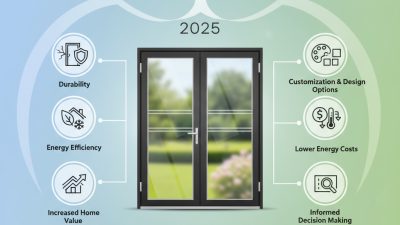
Fiberglass patio doors deserve more than a surface-level inspection. Tip 1: Check the construction method. Pultruded fiberglass usually offers consistent strength, while molded sections may provide more design flexibility. Ask whether the frame contains continuous glass fibers. Short fibers can reduce structural performance.
Tip 2: Examine the frame corners. Strong doors use reinforced, tightly joined corners that resist movement. Look for clean seams, solid fasteners, and minimal flexing. Tip 3: Compare the core and panel structure. A well-built door often combines fiberglass skins with an insulated core. Press gently on the panel. Excessive movement suggests weaker construction. This test is simple, but not conclusive.
Tip 4: Review the resin and surface finish. Quality fiberglass should resist moisture, ultraviolet exposure, and seasonal expansion. Request written performance data, not only showroom claims. Tip 5: Inspect the sill and drainage path. Water should move away from the interior, even after heavy rain. Tip 6: Test the hardware repeatedly. The rollers, hinges, and locking points should operate smoothly without scraping. Tip 7: Confirm independent testing and warranty terms. Read the exclusions carefully. They often matter more than the headline coverage.
No material is perfect. Fiberglass can still suffer from poor installation or weak hardware. I would compare full assembly details, not just frame samples. A beautiful finish cannot correct a poorly engineered door.
| # | Selection Tip | Construction or Material Factor | What to Compare | Why It Matters | Quality Check |
|---|---|---|---|---|---|
| 1 | Inspect the Fiberglass Skin | Fiberglass-reinforced polymer skins should be evenly formed and securely bonded to the core. | Check surface consistency, corner coverage, bonding quality, and the absence of bubbles, cracks, or exposed fibers. | A uniform skin helps resist moisture, impact, and everyday expansion and contraction. | Review a cutaway sample or inspect unfinished edges when possible. |
| 2 | Evaluate the Core Material | Common door cores include polyurethane foam, polystyrene foam, or engineered wood components. | Compare core density, continuity, moisture resistance, and how completely the core fills the door slab. | A continuous, well-bonded core can improve stiffness, insulation, and resistance to hollow spots. | Ask for construction details and look for gaps around locks, rails, and stiles. |
| 3 | Check Frame Construction | Frames may use fiberglass composites, reinforced vinyl, aluminum, or combinations of materials. | Compare frame strength, thermal breaks, corner joints, sill design, and compatibility with the wall opening. | The frame supports the glass and hardware while helping control air and water movement. | Prefer mechanically secure or well-reinforced corners with a durable sill pan system. |
| 4 | Compare Glass Performance | Insulated glass units typically use two panes with a sealed air or inert-gas space; some designs use three panes. | Compare low-emissivity coatings, U-factor, solar heat gain coefficient, visible transmittance, and safety glazing. | Glass specifications affect heat transfer, daylight, glare, and interior comfort. | Use the whole-door energy label rather than judging performance from glass alone. |
| 5 | Review Weather Sealing | Effective systems combine compression gaskets, weatherstripping, interlocking meeting rails, and properly designed thresholds. | Compare gasket continuity, threshold drainage, corner seals, and resistance to air and water infiltration. | Good sealing reduces drafts, wind-driven rain, and moisture-related damage. | Look for published air-leakage and water-penetration test results. |
| 6 | Assess Hardware and Operation | Rollers, locks, hinges, handles, and track components must be sized for the door's weight and operating style. | Compare corrosion-resistant materials, adjustability, locking points, smooth movement, and replacement availability. | Reliable hardware improves security, ease of use, and long-term serviceability. | Operate the door several times and confirm that it stays aligned without excessive force. |
| 7 | Verify Testing and Installation Requirements | Door performance depends on tested assembly design, correct sizing, proper flashing, and accurate installation. | Compare applicable air, water, structural, forced-entry, thermal, and impact test ratings for the intended location. | A high-quality door can perform poorly if the opening is not prepared, flashed, and fastened correctly. | Follow the installation instructions and confirm local code requirements before ordering. |
Note: Actual performance varies by door design, glass package, size, climate, installation quality, and applicable testing standards. Compare complete-door documentation for the specific configuration.
A durable fiberglass patio door should begin with energy performance, not appearance. Check its U-factor, which indicates how well the door resists heat transfer. Lower values usually mean better insulation. Also review the solar heat gain coefficient. A lower rating can help in hot climates, while a higher rating may benefit colder rooms. I once focused too heavily on frame color and overlooked these numbers.
Glazing deserves close attention. Double-pane glass suits many mild climates, but triple-pane units can reduce heat loss in colder areas. Low-emissivity coatings help control radiant heat and protect furnishings from strong sunlight. Warm-edge spacers can limit condensation around the glass. Ask whether the glass includes safety treatment. Small details matter. Test the locking action before buying. A stiff handle may become worse after installation.
Weather resistance depends on more than the fiberglass frame. Inspect the corner joints, compression seals, sill design, and drainage paths. Look for tested resistance to air leakage, water penetration, and wind pressure. If possible, examine a full-size sample during operation. Open it slowly. Listen for scraping. Poor alignment can create drafts, even with excellent materials. Local exposure should guide the choice, especially near heavy rain, snow, or coastal wind. Professional installation is equally important; an unsealed threshold can undermine the entire door. I would also read the maintenance instructions carefully, because “low maintenance” does not mean maintenance-free.
7 Tips for Choosing Fiberglass Patio Doors
Choose a style that suits your room, not merely your exterior elevation. Sliding doors save floor space, while hinged doors create a wider opening. Measure the rough opening twice, including sill height and wall clearance. I once underestimated furniture clearance; the beautiful door became awkward to use. Size matters.
Select low-maintenance fiberglass with a stable frame and weather-resistant finish. Ask for the NFRC label, which lists U-factor and solar heat gain coefficient. The U.S. Department of Energy reports that windows can cause 25–30% of household heating and cooling energy use. Better ratings may reduce unwanted heat transfer. Check the glass, too. Tempered safety glazing is commonly required in hazardous locations under the 2024 International Residential Code.
Choose hardware that feels solid, turns smoothly, and resists corrosion near coastal air. A multipoint lock can improve resistance against forced entry, but installation quality remains critical. Look for reinforced strike plates, durable hinges, and a lockable handle. Consider laminated or impact-rated glass where local exposure demands it. Confirm the door’s performance ratings, including air leakage, water resistance, and structural pressure. These details are easy to overlook. I would also test the threshold after rain, because a door can look secure while allowing drafts or moisture. The NFRC label and independent installation documentation provide useful evidence, but neither replaces careful onsite inspection.
Choose the right style, size, hardware, and security features for your space.
Sliding doors save interior space, while hinged French-style doors provide a wider traditional opening.
The chart shows common nominal widths. Always confirm the rough opening, wall structure, and required clearance before ordering.
Choose corrosion-resistant rollers, adjustable hinges, durable handles, and weather-resistant finishes.
Look for multi-point locks, reinforced strike plates, impact-resistant glass options, and an auxiliary patio-door bar.
Nominal door widths are commonly specified in inches; actual frame dimensions and clear openings vary by configuration and manufacturer.
Review installation requirements before comparing colors or glass. Measure the rough opening at the top, middle, and bottom. Small differences can affect the frame and weather seal. I once underestimated an uneven sill, and the installation needed extra shimming. That mistake cost time and money.
Ask how the door handles flashing, drainage, and insulation. The installer should explain the sill pan, fasteners, and exterior sealant in plain language. Check local building requirements, especially for safety glass, egress, and structural changes. A patio door may look simple. It is not. Confirm who removes the old unit, repairs damaged framing, and disposes of debris. These details often hide in the final invoice.
Maintenance should be practical. Fiberglass usually needs gentle cleaning, hardware checks, and occasional seal inspection. Keep tracks free of grit. Look for cracked caulk or moisture near the corners after heavy rain. Total cost includes the door, labor, trim, permits, delivery, and future repairs. Energy-efficient glass may cost more initially, but it can improve comfort near the opening. Still, savings depend on climate, installation quality, and household use. Request an itemized estimate with allowances clearly marked. Vague estimates invite surprises. Consider your budget honestly, because the cheapest quote may exclude necessary preparation.