2026 How to Choose the Best Double Sliding Patio Doors?
Choosing the best double sliding patio doors involves careful consideration of various factors. The right doors can enhance both the functionality and aesthetic of your living space. According to the National Association of Realtors, well-chosen patio doors can boost a home’s resale value by up to 10%. This statistic underscores the importance of selecting high-quality options.
Double sliding patio doors offer seamless access to outdoor spaces. In a recent survey, 78% of homeowners indicated that they value natural light when
choosing doors. This trend emphasizes the importance of selecting doors that balance style and practicality. Remarkably, while many opt for standard sizes, custom options are increasingly popular.
Installation can certainly present challenges. It’s crucial to ensure proper measurements and structural integrity. Otherwise, you might face drafts or leaks. Many homeowners overlook these details, leading to regrettable outcomes. Choosing the right model deserves time and thought to avoid future headaches.
Understanding Double Sliding Patio Doors and Their Benefits
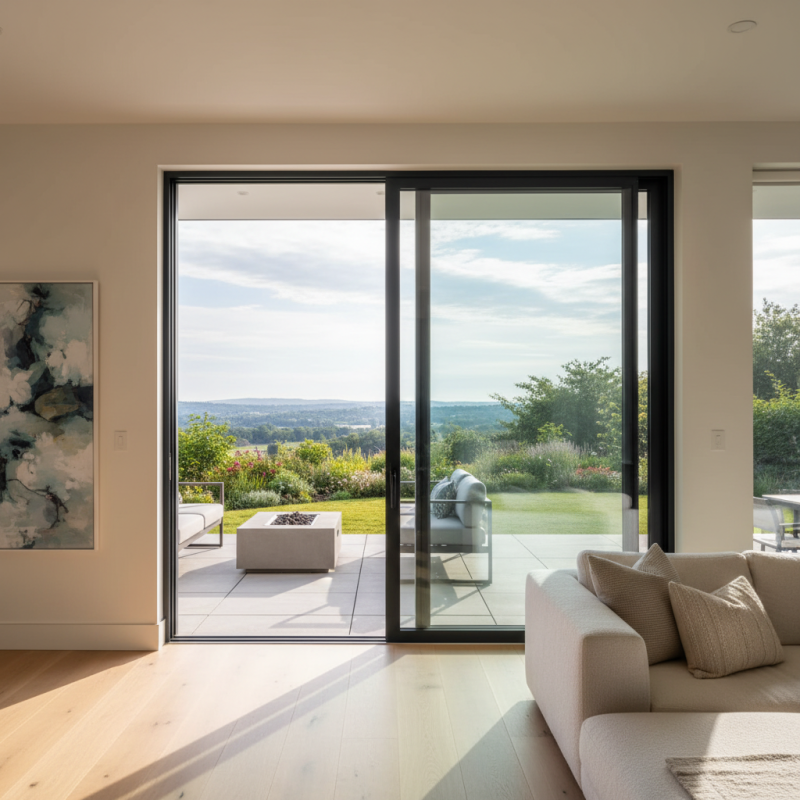
Double sliding patio doors offer numerous benefits for homeowners. They provide excellent access to outdoor spaces and bring in abundant natural light. According to a 2021 report by the American Institute of Architects, homes with large sliding doors experience 20% more light than those with traditional doors. This can create a brighter, more inviting atmosphere.
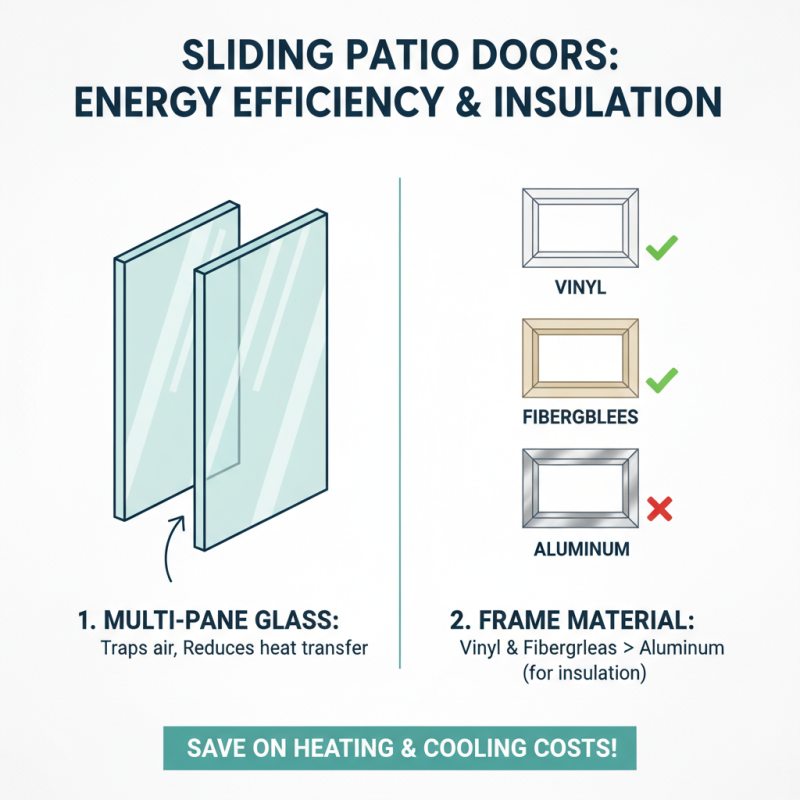
In terms of energy efficiency, double sliding patio doors can reduce heating and cooling costs. Properly insulated models can improve energy efficiency by up to 30%. However, not all doors are created equal. Homeowners should seek doors with Low-E glass to minimize heat transfer while maximizing light.
Tip: When selecting double sliding doors, pay attention to weatherstripping. Quality weatherstripping can prevent drafts and leaks.
Another important aspect is security. While many sliding doors come with basic locks, upgrading to multi-point locking systems enhances safety. The National Association of Home Builders points out that sliding doors can be easier to compromise than hinged doors, reminding consumers to prioritize security features during selection.
Tip: Always consider your local climate when choosing materials. Some frames perform better in specific environments.
Key Features to Consider When Choosing Double Sliding Patio Doors
When selecting double sliding patio doors, several key features warrant attention. Energy efficiency stands out. According to the U.S. Department of Energy, a well-insulated door can reduce energy costs by 10-15%. Look for doors with Energy Star ratings. This certification indicates compliance with energy efficiency guidelines. Low-E glass is another important aspect. It minimizes heat transfer, maintaining a comfortable indoor climate.
Security is another critical consideration. Strong locking systems and tempered glass boost safety. A report by the National Association of Realtors found that homes with enhanced security features sold 5% faster than those without. Pay attention to these factors during your search. In addition, the weight and quality of the door frame enhance durability.
Tip: Always measure your space before shopping. A precise fit prevents installation issues and improves functionality. Choose a reputable installer. Poor installation can lead to costly repairs and reduced performance over time.
Design elements like color and style also matter. They should complement your home’s aesthetic. Consider custom options if standard sizes don’t align. Remember, doors impact both your home's curb appeal and energy efficiency. Balance aesthetics with performance for the best results.
Key Features to Consider When Choosing Double Sliding Patio Doors
This chart represents the importance of various features when selecting double sliding patio doors based on user preferences.
Materials Used in Double Sliding Patio Doors: Pros and Cons
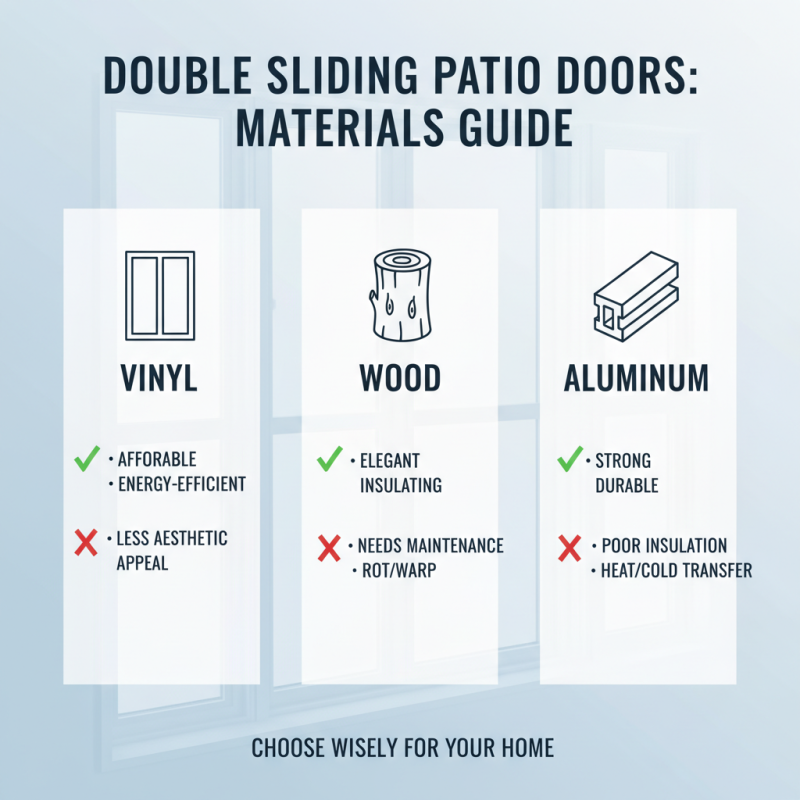
When selecting double sliding patio doors, understanding the materials is crucial. Common materials include vinyl, wood, and aluminum. Each has its unique benefits and drawbacks. Vinyl doors are often affordable and energy-efficient, but they can lack the aesthetic appeal of wood. Wood offers elegance and insulation but requires regular maintenance to prevent rot or warping. Aluminum is strong and durable, yet it can conduct heat and cold, affecting energy efficiency.
Tips for choosing materials: Consider your climate. In humid areas, vinyl may be preferable. If you adore a classic look, wood is ideal. Always check for energy-efficiency ratings. This can save you money on utilities over time.
Don't forget about durability. Some materials might not stand the test of time. Research how each material reacts to weather changes. This could lead to costly repairs in the long run. Making a well-informed choice can enhance your home's beauty and function. Keep in mind the balance between aesthetics and practical needs.
Installation Considerations for Double Sliding Patio Doors
When considering the installation of double sliding patio doors, proper planning is crucial. Understanding the dimensions of your space is key. The average height for sliding doors ranges from 80 to 96 inches. The width varies but often spans between 60 and 72 inches. Accurate measurements ensure a seamless fit and avoid costly adjustments.
Another factor to consider is the material. Vinyl, wood, and aluminum are common choices. Each material has its own benefits. For example, vinyl requires less maintenance. It is also more energy-efficient than wood, which can warp over time. Many homeowners overlook the significance of climate. For regions with extreme weather, durable options like fiberglass or metal frames may be preferable.
Installation is not a one-size-fits-all process. It often relies on the expertise of professionals. The U.S. Department of Energy states that poor installation can reduce efficiency by up to 30%. This data highlights the need for skilled installers to ensure proper sealing and alignment. Homeowners should also prepare for potential challenges, such as uneven floors or inadequate framing. These factors can complicate the installation process and lead to additional costs.